

Categories
A Quest for Healing Ravishing Rose Blog

When the Mind Wanders Off Leash: The Fantasizing Mind

A handful of recent experiences have led me to reflect upon my relationship to fantasy. You know when a theme keeps popping up in different areas of your life? Time to pay attention? The act of fantasizing is such an interesting exercise and generally considered to be a positive, exploratory or sexy activity, though also considered mysterious and sometimes even dangerous. When we fantasize we might be using our imagination to create future goals for ourselves but we also might be trying to escape whatever discomfort we are experiencing in the moment. Fantasy can be realistic or fantastical, it can be something we truly want or perhaps, and we might not recognize this, it remains pleasant only in confines of our mind. The mind is a truly creative place and a tool that we share across oceans, languages and cultures.

There are a few ways in which I have come to notice fantasy getting the better of me. The first one is believing that a situation or relationship would only be better if this or that were different. If only my friend/boss/partner were a slightly different person, if only we related in this other specific way. This is a trap. They will, very likely, never become that person and this habit of discontent is something that has deeper meaning within me rather than the individual in question.

A second way I’ve noticed fantasy popping up is a little more sadistic. I will fantasize a particular future outcome or vengence if I am in conflict with someone. It has more of a stonewalling or emotional torture type of flavor for me. I caught myself doing this last week with my one of my partners and realized that it was helping me cope with the discomfort of being in conflict. I also recognized that the chances of me following through on this fantasy that took place hours later was pretty slim. The chances of me still being angry about something small after a whole day apart was pretty unlikely.

Finally, the one you’ve been waiting for, using fantasy to explore sexuality. I can’t help but think about the ethics of consent when I think about others sexually cause that’s how I roll. How would this person feel about being a part of my fantasy world? Sometimes we know because we are already in relationship with the person and we can ask directly. There are other times when it’s someone we don’t have a connection with, we might fantasize about them regularly, and it could possibly disrupt a potential connection because, after a certain point, we can have trouble separating fact from fiction.

While fantasy can be fun, relieving and an essential part of creativity, there are ways in which it can wander beyond what aids us in living the life that we hope for ourselves. It is my desire that by identifying the ways in which it might go awry, I can catch myself and start to utilize my fantastical skills for fun, exploration and the deepening of connections.
Categories
Power Ravishing Rose Blog

(defined) Power Relationships (defined): Part ll

Mentor/Mentee, Dom/Sub, Boss/Worker Bee, Therapist/Client

In my last post on Power Relationships, I described some of the differences between a type of mentorship and talk therapy. The topic of power dynamics is one that could be discussed for hours. Relational dynamics are highly nuanced and certain elements of them can sometimes feel impossible to pin down in conversation. I would not describe myself an expert on the topic, but more of a seeker of knowledge.

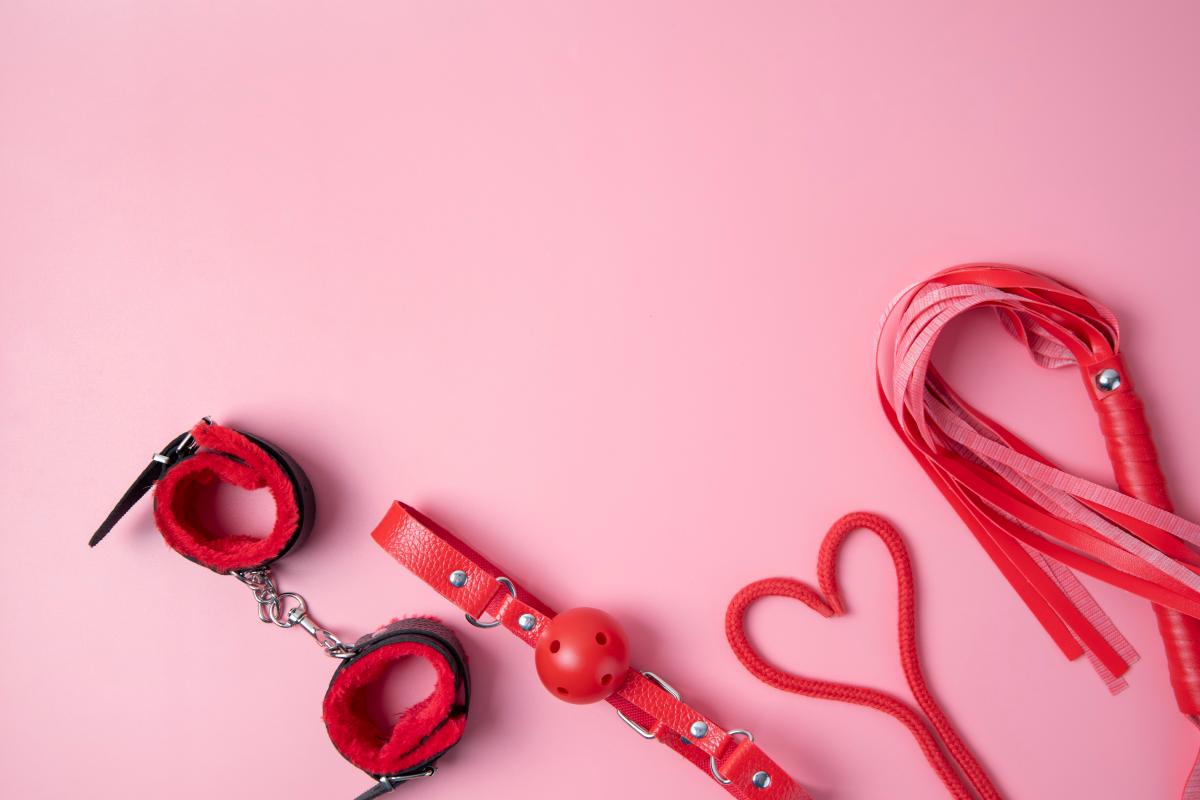
I want to share a bit about what I learned from my experience engaging in power play relationships. The terms dominant and submissive or master and slave are some of the more common power play dynamics that you might encounter in a kinky context. These types of relationship are often highly negotiated and unlikely to be engaged in 24/7, but more likely will be used in the context of a scene.

A scene is an experience that one or more people try to create together. If you were a witness to a scene where the individuals involved were playing dominant and submissive roles, you might notice that one individual in the experience appears to be more powerful or in a position of being in control and the other might be the recipient of orders or a flogging. Despite what might appear to be true to your eyes, the submissive member of the experience has as much if not more power in the exchange than the dominant. It is possible or even likely that the submissive has made specific requests for how the scene will play out and the dominant may be following previously relayed instructions.

This is one of the more interesting ways of thinking about or discussing power because it give a clear example of some of the nuances of how it can work. Often, when folks are first starting out in these types of intentional power dynamics, we have limited knowledge of what we are doing, how things are supposed to play out, or even what we truly want from the situation.

In my experience, there are lot of welcoming community members willing to share their knowledge and experience. If you are in a larger city you can look up a Munch, which is a social for folks who identify as kinky. These types of gatherings also exist online. You might also connect with others who are curious or knowledgeable through social media such as Fetlife or dating apps like Feeld or Hinge.

It can be clunky and sometimes awkward trying anything new, but power dynamics exist within our lives whether we have agreed to them, or not. It can be interesting and fun to engage in a way that brings more awareness to our experience of these human exchanges. It can also be frustrating and even triggering when things don’t go as expected.

Power dynamics exist in all relationships, but in a kinky context we can sometimes bring more awareness to how this energy is wielded. It’s not everyone’s cup of tea, but if you have a curiosity it doesn’t hurt to learn more and give it a try. First things first, there are lots of resources and a welcoming community of like minded others to talk to about these interests. I desire to continue learning about and understanding what role power plays in interpersonal exchanges.